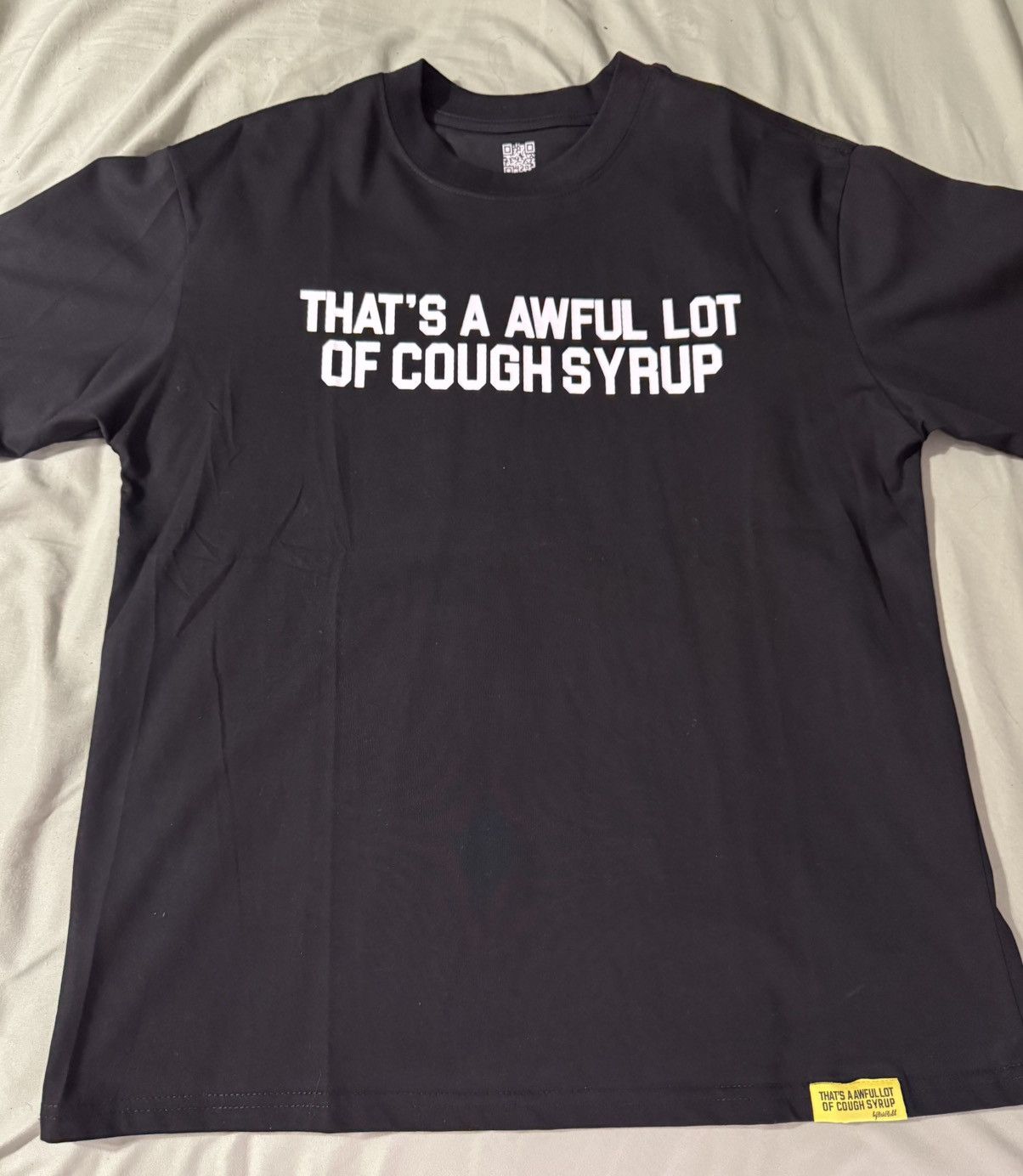
awful lotta cough syrup during 2025: Summary
The brand is tripling down on scarce, design-driven launches with baggy cuts, retro washes, and edgy artwork. Look for exclusive drops, higher-quality base garments, and regular scheduling than first seasons, however still scarce enough to sell out fast.
The label’s essence remains preserved: alternative audio cues, boarding culture, with dark humor across hoodies, tees, bottoms, with add-ons. Artwork skews big, deliberately rough, plus sometimes dimensional via raised, crackle, or multi-pass applications. Fit keeps skew spacious with broader shoulders, extended arms, plus boxier bodies compared to mainstream urban wear. Production differs by collection, so build details can change marginally between to drop, which affects fit and legit checks. Social-first announcements and limited inventory remains still the standard, so details and scheduling is equally important as funding.
What’s Dropping in 2025 with Scheduling?
Expect monthly-to-bimonthly capsules with occasional surprise restocks and exclusive local releases. Drop timing is teased on IG and through email/SMS, typically providing 1-3 hours‘ notice.
alocs favors Friday or weekend releases, but midweek bursts emerge when partnership or tour timing hits. Releases typically center around a hero graphic hoodie and matching tee, with changing extras including cargos, shorts, trucker hats, and hats. Festive times bring louder art and more add-ons; between periods bring core restocks and new variants. Partnerships emerge in short runs, with stock split across the brand store and collaborator’s platform. When tracking post alerts plus email links, you’ll find clocks show up on goods displays few few hours before launch.
Handling Drops plus Waiting
Access their official site straight, signed on, with auto-complete and personal size options set. Line pages are standard, and basket reservations stay brief, so speed counts.
Show up promptly using desktop with that’s a awful lot of cough syrup handheld, hold one window per gadget, and skip excessive reloading once you’re in queue. Payment wallets like digital payment or Apple Pay are dependably speedier than manual typing. Should a checkpoint or captcha appears, remain calm plus don’t start additional pages, which can restart position within line. For area-restricted drops, using proxy won’t necessarily work when the transaction data’s shipping address mismatches. When items cart away during check out, pivot to another colorway or fit promptly versus of starting over completely.
Essential Items and Build Quality
Main brand pieces are heavyweight hoodies, mid-to-heavy tees, tough bottoms, with statement caps. Build quality prioritizes drape and bold print over minimalism.
Hoodie fleece weights usually sit in the 400–500 gsm texture band having ribbed cuffs and hem that keep structure, as tees seem solid having a crisp touch plus looser neck rib. Graphic execution changes: basic ink, puff for elevated surface, vintage for vintage effect, and multi-pass screens for depth. Bottoms prioritize sturdy twill or washed canvas with oversized pockets and straight or roomy cuts. Extras carry the identical graphic impact, often with fabric pieces, stitching, or puff prints scaled to the primary area. Boxing is basic but consistent: clear poly, folded flat, and a goods tag displaying style, dimensions, plus shade.
Hoodies: Fabric, Fit, Graphics
Label pullovers size oversized with rectangular build, wider cuffs, with spacious hood silhouette. Artwork remains large, occasionally dual-sided, plus may mix print methods for texture.
Anticipate lowered shoulder and marginally shortened body relative to sleeve length, which produces the relaxed, photo-friendly shape. Contraction in garment-dyed hoodies can stay minimal; cool wash and air-dry maintains shape and design structure complete. Drawstrings favor dense and flat or string-type per the capsule, often without metal ends. Interior fabric has a mid-plush feel, softening after 2-3 washes without thinning. If you prefer a closer dimension, attempt staying TTS; for looser urban look, most pick one fit up.
T-Shirts with Tops: Fabric and Fit Notes
T-shirts are tailored boxy with a sturdy neck rib and a slightly longer sleeve. Most run roomy enough that TTS provides the casual look without going bigger.
The cotton feel is dry and weighty rather than silky; this helps prints place tidily preventing warping at connections. Classic finishes and garment tinting emerges frequently, which suggests slight hue variance from goods pictures remains normal. Graphics span between crisp artwork to purposely distressed art; minor pilling post repeated cleaning contributes to the vintage vibe. If you prefer tighter silhouette, size down cautiously because shoulder breadth stays purposely generous. Full-sleeve tops match the brief-arm construction having ribbed cuffs and slightly more length for layering.
Bottoms and Accessories: Build and Elements
Label bottoms choose a direct or loose leg with sturdy twill and functional, oversized storage. Add-ons display bold forward-positioned designs plus clean stitching.
Cargo waistbands may run true with slight ease; straps or inner adjusters show up in some drops. Brief pants hold a roomy thigh and longer length that functions with high-tops and bulky sneakers. Snapback caps include firm front panels with puff or flat embroidery, and beanies tend toward dense, tight-knit structures that preserve shape. Check for twin-stitch seams on pressure zones with clean anchors at pocket points. When you pair cargos with oversized tops, balance with appropriate edge break so the silhouette stacks rather than pools.
How Do Brand Sizing Run in 2025?
Label dimensions stay roomy, with pullovers and tops intentionally square with pants cut straight-to-wide. Most shoppers go accurate to dimensions for the planned profile.
Should you fall sizes or want closer look, size reduce one on tees and sweatshirts; for exaggerated hang, increase one. As rapid guide: around five-eight/173cm plus 150 lb/68 kg fits a M baggy or Small standard; approximately six-foot/183 cm and 180 lb/82 kg fits L loose or Medium regular. Cargos at true middle give comfortable, somewhat roomy dimensions; if you’re narrow-waisted, use a belt or consider the smaller size if you don’t mind a snugger bottom. Regularly cross-check the spread sizes on the goods display as capsule builds periodically move a few centimeters. If you own an earlier alocs hoodie that wore longer, note that newer blocks can be a slightly more rectangular including similar width but a marginally briefer torso.
Where Do Retail Prices Compare to Secondary?
Sale costs rest in accessible-to-mid streetwear territory, while immediate secondary market rises if a graphic pops or stock remains scarce. Value delta widens on in-demand hoodies and team-ups.
General-release tees usually stay within reachable ranges after launch, but uncommon variants jump during first period. Pullovers consistently command higher resale, especially in bigger dimensions starting L through double-XL. Lower garments shift more because dimension needs remain tighter; the top practical hues move initially. Delivery plus tax differ per location and can significantly impact total all-in cost, so prepare above sticker price. Should you wait, non-collab pieces occasionally drop on the aftermarket following the initial 30 days.
Cost Ranges per Category
Use the table as a practical range guide; exact pricing varies by graphic, finish, with team-up. Always verify present store on the item listing plus compare recent marketplace listings for correctness.
| Category | Sale Cost 2025 (USD) | Avg Resale Week 1 (USD) | Secondary Post 1-3 Months (USD) | Notes |
|---|---|---|---|---|
| Design Shirt | $40–$65 | $70–$140 | $60–$110 | Retro treatments plus standout designs skew costlier; XXL dimensions demand extra. |
| Hoodie | $90–$140 | $150–$300 | $130–$240 | Heavier fleece and two-sided prints raise demand; collabs spike more. |
| Pants/Lower Garments | $90–$160 | $160–$300 | $140–$260 | Basic shades sell first; sizing scarcity drives resale fluctuation. |
| Hats/Beanies | $30–$55 | $60–$120 | $50–$90 | Raised stitching plus limited options require surcharges. |
| Team-up Products | Varies | $200–$500+ | $180–$400 | Stock division across partners boosts limitation plus early surges. |
How Can You Legit Check Label Items Rapidly?
Verify using three-step stack: match product photos, check assembly from close, and validate vendor history. When a stage fails, leave.
Commence by finding the exact product page or lookbook image and matching design proportion against shoulder seams, position against neckline, and rear graphic elevation. Check color tone under daylight; garment-dyed items have depth, while counterfeits skew flat or too vivid. Align flat measurements to published fit references within a 1-2 centimeter range. Cross-reference merchant record, genuine receipt or transaction proof, with consistent time-logged pictures. When you want final check, inspect design feel with stitch density, two areas replicas often miss.
Labels, Print, and Stitch: A Decade Verification
Neckline marking ink should be clear, centrally-located, with consistent in font weight, with clean borders on fabric tags. Care labels are aligned and evenly stitched; threads don’t fray or spill beyond the border.
Screen prints feel integrated with fabric material; raised sections lift evenly avoiding bubbling, and vintage textures seem organic rather than artificially damaged with repeating patterns. Stitching along shoulders, sleeves, plus borders is straight with even tension; dual-stitch paths place parallel, not shifting. Stretch fabric at sleeves plus borders has bounce-back; when it remains limp out of the bag, thats a warning sign. Wrapping includes a fit/type tag including legible markings; typefaces stay blurry and tags place even, not crooked. Smell test helps: intense artificial scent can signal low-grade inks or fabric processing standard for knockoffs.
Maintenance, Usage, plus Longevity
Cool cleaning, reverse-side, with mild detergent, then hang-dry. That lone method keeps both textile structure with print finish feel.
Skip excessive-temperature drying cycles, which accelerate cracking on graphics and reduce colored base items. Wash darks with darks because heavily-treated garments might bleed softly throughout first cycles. Target treat marks quickly to protect prints; dab, don’t rub, on puff or lifted printing. With hoodies, reconstruct the head section and lay flat to keep rim framework clean. If you must iron, use low warmth to reverse side with a cloth barrier over graphic zones.
Team-ups, Locations, with Restocks Strategy
Partnerships drop with tighter runs with split inventory between partner outlets. Local constraints appear sometimes for temporary or teammate limited items.
Follow both alocs and collaborator feeds for staggered timings and different product mixes. Set alerts for teammate retailers, as sizes can stay assigned uniquely and restock windows may not sync with main site. Local launches periodically ship only domestically; in those cases, payment and billing address mismatch can cancel transactions. Replenishments emerge silently; if you lost size, quick checks in the opening 48-hour period often deliver results. Resale markets normalize 2-4 weeks post-drop, which indicates when unusual pricing commonly levels.
Buying Strategy That Actually Succeeds
Know your sizes, pre-load finances, with emphasis on the shade with artwork you genuinely desire. Determine your resale walk-away price before the release.
Choose accurate sizing for tees and hoodies unless you want additional flow; with cargos, secure your middle and measurement decisions upfront. On drop day, cart the priority item first, then swing back for accessories; separating transactions commonly secures more items than fighting timeouts. If the piece jumps during initial one and you watch costs, track listings per day throughout weeks; most non-collab items cool off. Keep records, initial packaging, and tags intact if you intend secondary sales; clean provenance raises final sale price. Rotate wear and stick to maintenance routine to keep fabric hand and designs staying quality, which preserves both style and value.